


D'var Torah for Parashat Ha’azinu 5787

Parashat Ha’azinu 5787 / פָּרָשַׁת הַאֲזִינוּ
19 September 2026 / 8 Tishrei 5787
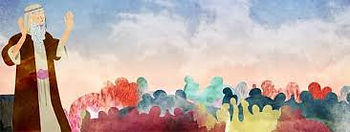
Parashat Ha’azinu is the 53rd weekly Torah portion in the annual Jewish cycle of Torah reading.
Torah Portion: Deuteronomy 32:1-32:52
In Ha’azinu (“Listen”) , Moses recites a poem praising God and criticizing the sins of the Israelites. He describes the misfortunes that the Israelites will face and the damage God will ultimately wreak on their oppressors. The portion ends as God commands Moses to ascend Mount Nebo, where he is to die. [1]
Full Kriyah
1: 32:1-6 · 6 p’sukim p. 896 - 897
2: 32:7-12 · 6 p’sukim p. 897 - 898
3: 32:13-18 · 6 p’sukim p. 898 - 899
4: 32:19-28 · 10 p’sukim p. 899 - 900
5: 32:29-39 · 11 p’sukim p. 900 - 901
6: 32:40-43 · 4 p’sukim p. 901 - 902
7: 32:44-52 · 9 p’sukim p. 902 - 903
maf: 32:48-52 · 5 p’sukim p. 903 - 904
Haftarah for Ashkenazim*: Hosea 14:2-10; Joel 2:15-27 · 22 p’sukim *Shabbat Shuva (with Ha'azinu) p. 904 - 908
Commentary and Divrei Torah Sefaria OU Torah Rabbi Sacks z”l Jewish Theological Seminary
“Give ear, Israel”.... And thus is Moses’ swan song. This is a song, actually. Torah–and Prophets–contain a few such “songs”, like Song of the Sea, but these are not how we think of songs. In the Bible, songs are very special and this is why there are only a handful. Yes there is poetry of sorts and music in the form of the cantillations, but these songs are really poetry and speak to the soul, and that is what sets them apart.
Is this overkill? Are Israelites sitting there listening and thinking “Here we go again?” Perhaps from their point of view, this is true. For ours, 3000 years later, no. In fact, maybe Moses should have given a few more speeches and “songs” because a few generations later, we just didn’t get it.
Israel is about the conquer and settle the land. It becomes a loose confederation with very limited cooperation that they are easy fodder for conquerors and Hashem has to send in Judges every now and then to bring everyone together to fight. And then it’s back to business as usual.
Ultimately, we get a king and after only the third reign (Solomon), the Kingdom splits and the Northern Kingdom gets enamored with idol worship and paganry. So, yes, perhaps a few more. And we, today, would do well to take all this to heart and see that we need to stay true to Hashem and Torah.
Parashat Ha’azinu 5787 / פָּרָשַׁת הַאֲזִינוּ
19 de septiembre de 2026 / 8 de Tishrei de 5787
Parashat Ha’azinu es la 53.ª porción semanal de la Torá en el ciclo anual de lectura de la Torá.
Porción de la Torá: Deuteronomio 32:1-32:52
En Ha’azinu («Escuchad»), Moisés recita un poema alabando a Dios y criticando los pecados de los israelitas. Describe las desgracias que afrontarán los israelitas y el daño que, finalmente, Dios infligirá a sus opresores. La porción concluye cuando Dios ordena a Moisés que ascienda al monte Nebo, donde ha de morir. [1]
Lectura completa (Kriyah)
1: 32:1-6 · 6 versículos pág. 896 - 897
2: 32:7-12 · 6 versículos pág. 897 - 898
3: 32:13-18 · 6 versículos pág. 898 - 899
4: 32:19-28 · 10 versículos pág. 899 - 900
5: 32:29-39 · 11 versículos pág. 900 - 901
6: 32:40-43 · 4 versículos pág. 901 - 902
7: 32:44-52 · 9 versículos pág. 902 - 903
maf: 32:48-52 · 5 versículos pág. 903 - 904
Haftará para asquenazíes*: Oseas 14:2-10; Joel 2:15-27 · 22 versículos *Shabbat Shuvá (con Ha'azinu) pág. 904 - 908
«Escucha, Israel»... Así comienza el canto del cisne de Moisés. En realidad, se trata de un cántico. La Torá —y los Profetas— contienen algunos de estos «cánticos», como el Cántico del Mar, pero no son lo que solemos entender por canciones. En la Biblia, los cánticos tienen un carácter muy especial; por eso hay tan pocos. Ciertamente existe una forma de poesía y música —a través de la cantilación—, pero estos cánticos son verdadera poesía que habla al alma, y eso es lo que los distingue.
¿Es esto excesivo? ¿Estaban los israelitas allí sentados escuchando y pensando: «Aquí vamos otra vez»? Quizás, desde su perspectiva, así fuera. Pero desde la nuestra, tres mil años después, no lo es. De hecho, tal vez Moisés debería haber pronunciado algunos discursos y «cánticos» más, porque, unas generaciones después, simplemente no lo habíamos comprendido.
Israel está a punto de conquistar y asentarse en la tierra. Se convierte en una confederación laxa con una cooperación muy limitada, lo que los hace presa fácil para los conquistadores; Hashem debe enviar Jueces de vez en cuando para unir a todos y luchar. Y luego, todo vuelve a la normalidad de siempre.
Finalmente, tenemos un rey y, tras solo tres reinados (el de Salomón), el Reino se divide y el Reino del Norte se deja seducir por la idolatría y el paganismo. Así que sí, tal vez hacían falta algunos más. Y nosotros, hoy en día, haríamos bien en tomar todo esto muy en serio y comprender que debemos mantenernos fieles a Hashem y a la Torá.


Comments