


D'var Torah for Parashat Ki Tisa 5786 / פָּרָשַׁת כִּי תִשָּׂא

Parashat Ki Tisa 5786 / פָּרָשַׁת כִּי תִשָּׂא
7 March 2026 / 18 Adar 5786
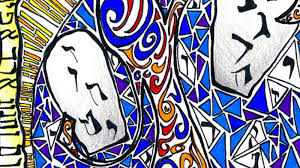
Parashat Ki Tisa is the 21st weekly Torah portion in the annual Jewish cycle of Torah reading.
Torah Portion: Exodus 30:11-34:35; Numbers 19:1-22
Ki-Tisa (“When You Elevate”) opens as God tells Moses to collect a half-shekel donation from all Israelites and to anoint the Mishkan (Tabernacle), its vessels, and the priests. The Israelites worship the golden calf and Moses breaks the tablets. Moses beseeches God to forgive, and returns with a second set of tablets. [1]
Triennial year 1
Haftarah for Ashkenazim*: Ezekiel 36:16-38 · 23 p’sukim *Shabbat Parah
Commentary and Divrei Torah Sefaria OU Torah Rabbi Sacks z”l Jewish Theological Seminary
This parashat is confusing. We have Hashem directing a half shekel tax from every male 20 years old and over for the upkeep and resources for the Mishkan, no exceptions (except the Levites who serve by ministering). This also presumably serves as atonement for any killing they will do if they have to go to war to defend Israel.
The parashat then switches to the people expressing intense anxiety that Moses has not returned from Mount Sinai within the forty days as discussed. They don’t listen to the explanation that Moses didn’t count the day it took to ascend. According to the Midrash, in their panic, they killed Hur, one of the leaders, who tried to calm them down. Aaron, looking to appease this revolt, offers a symbol, an idol actually, of a molten calf, since many of the renegades were from the rabble, the non-Israelites, that left Egypt in the confusion seeking freedom. Moses returns, and in his outrage, he smashes the tablets of the Ten Declarations, punishes the offenders and returns up the mountain to get another set.
Chronologically, the events are out of sequence. Previously, Moses received the Ten Declarations, received more commandments involving treating slaves with respect, honoring Shabbat. There were also instructions how to construct the Mishkan and its furnishings, and the Priests’ clothing. Now all of a sudden, we’re back to Moses returning with the first set of tablets.
Torah’s sequence has a specific order, something we strive to analyze and learn from. Consider that the half shekel tax is atonement for this particular action and any other affrontery that Israel has yet to commit. Consider that this is also why in our daily, weekday Tefillah (Amidah) we recite a confessional as part of our prayers. This teaches us to be on guard of our actions and sins, lest we follow our heart and eyes, and not Hashem.
Parashat Ki Tisá 5786 / פָּרָשַׁת כִּי תִשָּׂא
7 de marzo de 2026 / 18 de Adar de 5786
Parashat Ki Tisá es la vigésima primera porción semanal de la Torá en el ciclo anual judío de lectura de la Torá.
Porciones de la Torá: Éxodo 30:11-34:35; Números 19:1-22
Ki-Tisa (“Cuando te elevas”) comienza con Dios instruyendo a Moisés a recolectar una donación de medio shekel de todos los israelitas y a ungir el Mishkán (Tabernáculo), sus utensilios y a los sacerdotes. Los israelitas adoran al becerro de oro y Moisés rompe las tablas. Moisés implora perdón a Dios y regresa con un segundo juego de tablas. [1]
Trienal 1
1: 30:11-13 · 3 p’sukim
2: 30:14-16 · 3 p’sukim
3: 30:17-21 · 5 p’sukim
4: 30:22-33 · 12 p’sukim
5: 30:34-38 · 5 p’sukim
6: 31:1-11 · 11 p’sukim
7: 31:12-17 · 6 p’sukim
Maf*: Números 19:1-22 · 22 p’sukim *Shabat Parah
Haftará para Ashkenazim*: Ezequiel 36:16-38 · 23 p’sukim *Shabat Parah
Comentario y Divrei Torá Sefaria OU Rabino de la Torá Sacks z”l, Seminario Teológico Judío
Esta parashá es confusa. Dios ordena un impuesto de medio shekel a cada varón mayor de 20 años para el mantenimiento y los recursos del Mishkán, sin excepciones (excepto los levitas que sirven ministrando). Esto también presumiblemente sirve como expiación por cualquier muerte que cometan si tienen que ir a la guerra para defender a Israel.
La parashá luego pasa a la intensa ansiedad que expresa el pueblo porque Moisés no ha regresado del Monte Sinaí dentro de los cuarenta días acordados. No escuchan la explicación de que Moisés no contó el día que tardó en ascender. Según el Midrash, en su pánico, mataron a Hur, uno de los líderes, quien intentó calmarlos. Aarón, buscando apaciguar esta revuelta, ofrece un símbolo, un ídolo en realidad, de un becerro de fundición, ya que muchos de los renegados pertenecían a la chusma, los no israelitas, que abandonaron Egipto en la confusión buscando la libertad. Moisés regresa, y en su Indignado, destroza las tablas de las Diez Declaraciones, castiga a los infractores y regresa a la montaña a buscar otro juego.
Cronológicamente, los eventos están desordenados. Anteriormente, Moisés recibió las Diez Declaraciones y recibió más mandamientos sobre el respeto a los esclavos y la observancia del Shabat. También se le dieron instrucciones sobre cómo construir el Mishkán y sus muebles, así como sobre la vestimenta de los sacerdotes. Ahora, de repente, volvemos a ver a Moisés regresando con el primer juego de tablas.
La secuencia de la Torá tiene un orden específico, algo que nos esforzamos por analizar y de lo que aprendemos. Consideremos que el impuesto de medio shekel es la expiación por esta acción en particular y por cualquier otra afrenta que Israel aún no haya cometido. Consideremos que esta es también la razón por la que en nuestra Tefilá (Amidá) diaria, entre semana, recitamos un confesionario como parte de nuestras oraciones. Esto nos enseña a estar alertas ante nuestras acciones y pecados, para no seguir a nuestro corazón y a nuestros ojos, y no a Hashem.


Comments